Coffee grind clumping: why it happens
There is a seemingly endless list of variables to keep in mind when you are pulling a good espresso: the dose, the yield, the extraction time, the grind size, and your tamping and distribution technique.
If you have ever wondered why your shots still do not taste quite right, even after accounting for all of that, the culprit may be a common problem known as clumping.
Coffee clumps can form for several reasons, and they end up causing channelling, which affects extraction. Reducing clumping as much as possible is essential if you want the best out of your coffee.
What causes clumping?
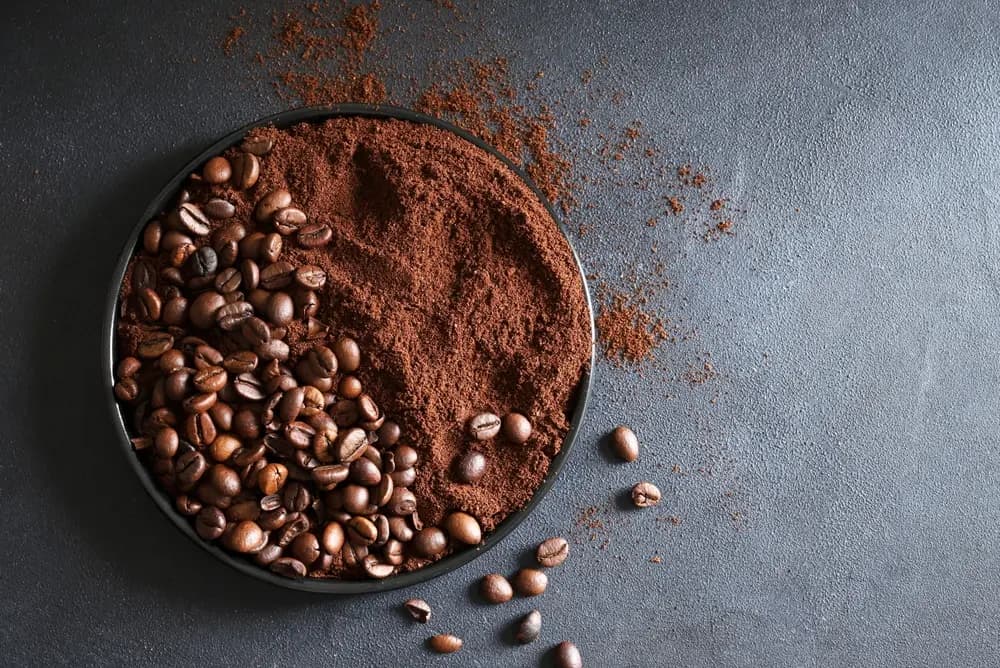
In simple terms, clumping usually happens while grinding coffee for espresso.
Espresso needs the finest grind possible, and grinding that fine is precisely when clumps tend to appear. A grind by weight grinder with a double clump breaker helps here.
Clumping can come from an excess of oils in the coffee, from problems with the flow of grounds between the grinding chamber and the chute, or from the static charge produced while grinding.
Beans with more oil, such as darker roasts or old, stale coffee, can clog the grinder. Those oils stick to the surface of the burrs, which leads to clumps.
Ambient conditions matter too. High humidity and high temperature can make the grounds stick inside the chute, blocking the flow from the grinding chamber and causing clumps.
The last factor is static electricity. Coffee beans can pick up an electrical charge as they pass through the burrs. Since ground coffee holds very little moisture, some particles end up sticking to surfaces or clumping together.
Why are clumps a problem?
Clumping may look minor, but it has a real effect on espresso extraction.
Water always takes the path of least resistance through the puck, and because clumps are densely packed, water cannot easily pass through them.
Instead, the water is forced through the looser parts of the puck. This is what is known as channelling, and it brings a series of problems.
Channelling affects the flavour and the mouthfeel of your espresso: it can come out thin and lacking in flavour.
In practice, channelling means some parts of the puck are under-extracted while others are over-extracted. The result is a shot that tastes both sour and bitter, so you never get the most out of your coffee.
Clumping is also inconsistent, which makes it hard to predict when it will happen or how bad it will be.
Clumps come in different sizes, amounts and densities. That is what makes them a challenge for so many baristas.
How can you prevent it?
There are steps you can take to reduce clumping. Start by checking your grind size. Espresso does need a fine grind, but it is possible to grind too fine, which raises the chance of clumps forming. Coarsening the grind slightly can reduce them.
Keeping your grinder clean and in good condition matters just as much. Regularly clearing out old, stale grounds and any oil buildup in the grinding chamber keeps clumping to a minimum.
Both practices have their limits, though. For consistently good results, it pays to invest in a high quality grinder.
The benefits of reducing clumping
A more even particle size distribution and less static buildup make clumps less likely to form. The result is a more even extraction, and with it the full spectrum of flavour your coffee has to offer.
High quality grinders also lighten the barista's workload, because there is no need to spend time breaking up and spreading clumps by hand in the portafilter.
New article, straight to your inbox
Growing, roasting and brewing, written by the people who do it on the farm. No offers, no noise.