Commercial coffee and good quality coffee: what sets them apart
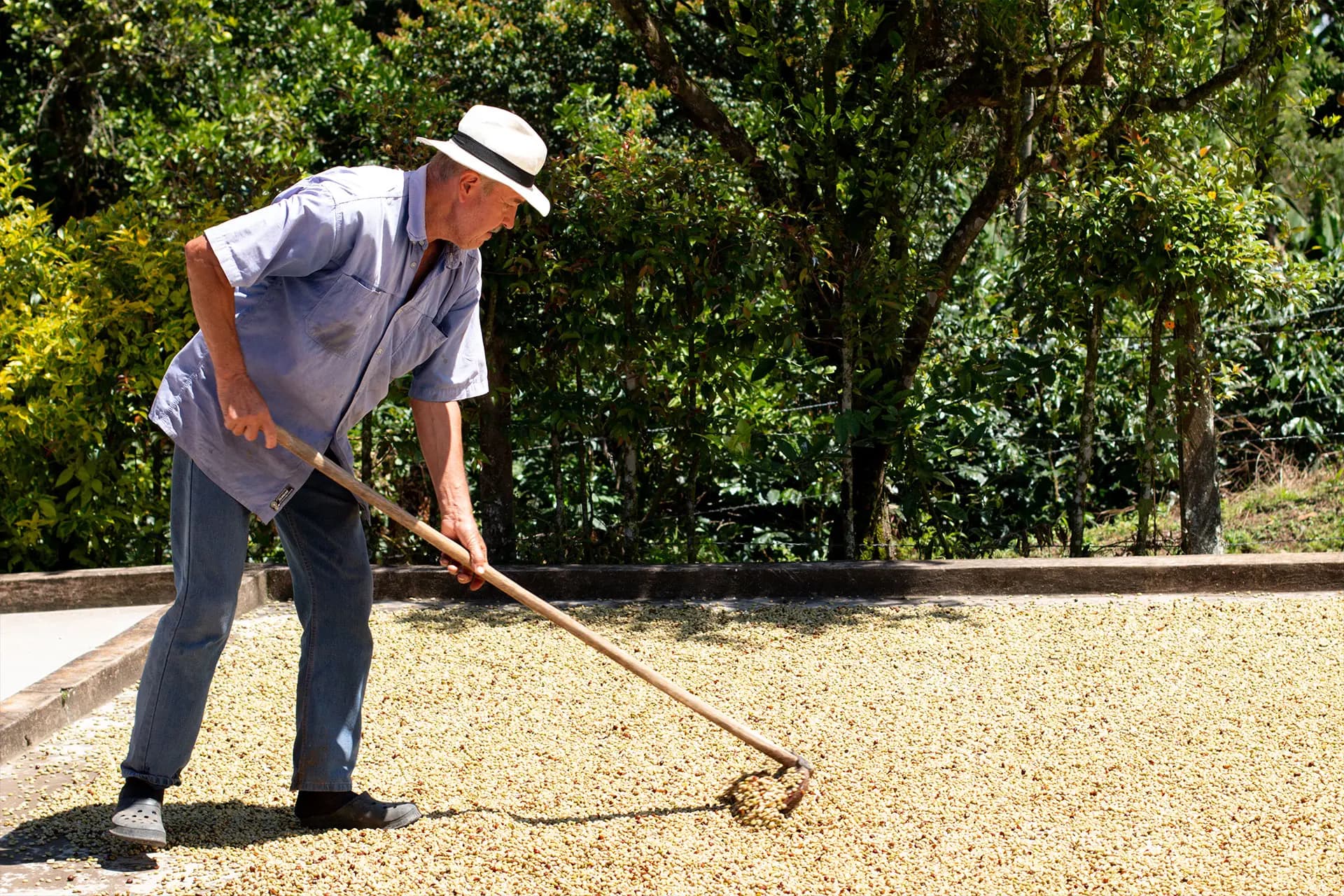
Not all coffees are the same. Before it reaches the cup, coffee goes through many stages: growing, picking, sorting, wet milling, drying, storage, roasting, grinding and brewing. How carefully each one is done has a direct effect on the result.
What makes a good quality coffee?
A good quality coffee starts with good raw material. The aim is to pick the cherries at the right ripeness, carry out the process and the drying properly, store the beans in good conditions and then roast in a way that develops the coffee's character without destroying it.
In the cup you can find natural sweetness, pleasant aromas, balanced acidity, good body and defined flavours, which may bring to mind chocolate, caramel, nuts, fruit, flowers or citrus, depending on the coffee. Traceability also lets you know where the product comes from: its region, its grower or farm, the variety, the process and other details.
What can happen with lower quality commercial coffee?
In products aimed mainly at volume and at keeping prices low, the raw material may be selected less strictly. Depending on the product, beans of different qualities, harvests, origins or defects may be blended to reach a uniform, inexpensive profile.
This does not mean every commercial coffee has defects. But when the raw material has unpleasant flavours, there are ways of making them less noticeable to the drinker.
A very dark roast can hide a lot
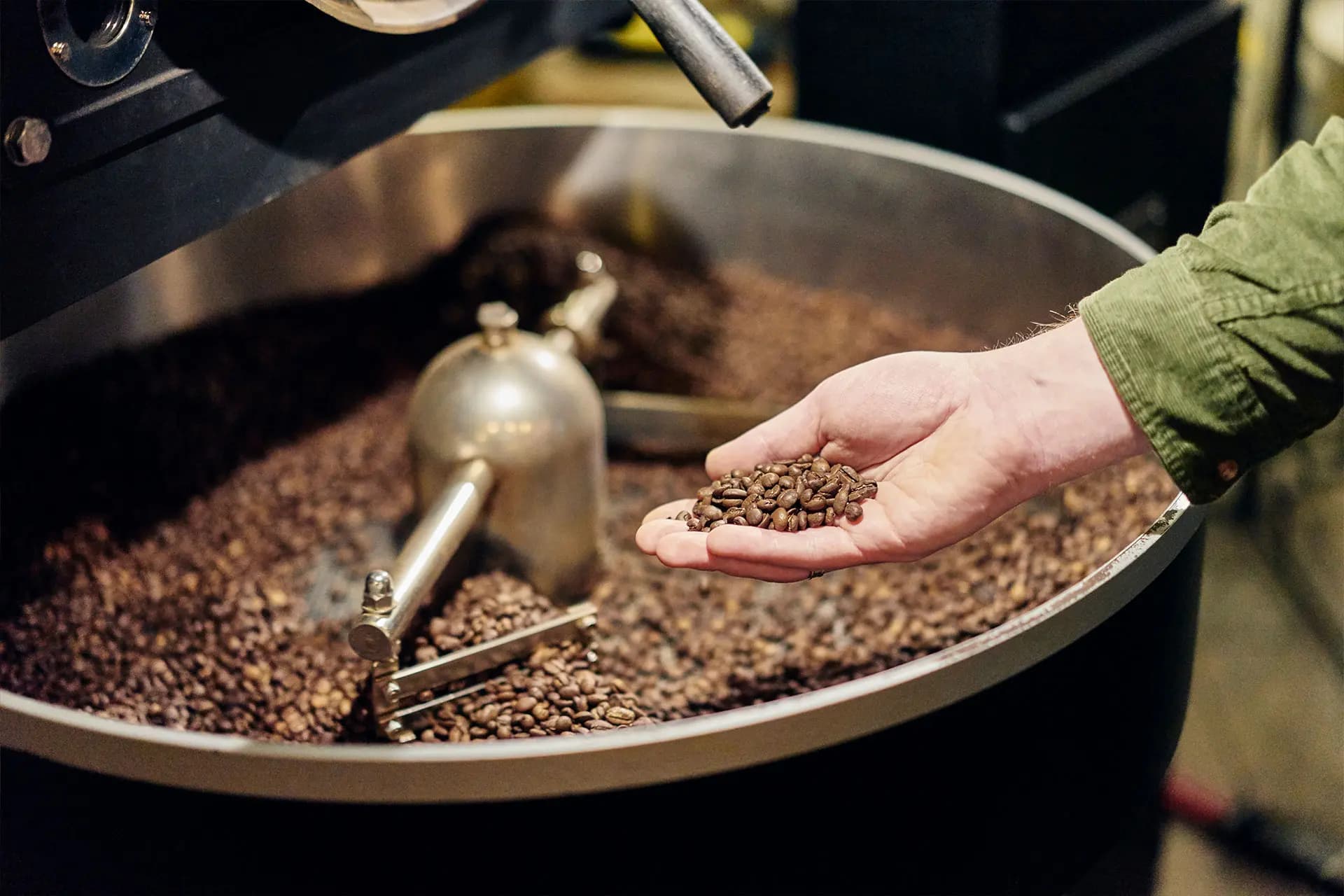
One way of reducing how much of the bean's character comes through is to use a very developed or dark roast. As the roast goes further, flavours created by the roasting itself start to dominate. Very dark roasts can bring toasted, smoky, very bitter or burnt notes, while the particular character of the origin becomes less evident.
This can help make different lots taste more alike, but it also makes it harder to tell what the bean was really contributing. An important point: a dark roast is not the same as poor quality. A good coffee can also be roasted dark by preference or for the profile the roaster is after. The difference lies in using the roast to develop the coffee, and not simply to hide its defects.
What part do sugar and milk play?
When a coffee turns out excessively bitter or intense, many people get used to adding plenty of sugar or milk to make it more pleasant. Sugar can lower our perception of bitterness, and milk changes the intensity, the texture and how some flavours come across.
So a heavily roasted coffee taken with sugar and milk can make it much harder to identify the original quality of the bean. This does not mean companies necessarily add these things to mislead anyone, nor that there is anything wrong with enjoying coffee with milk or sugar. It is simply that the more flavours we add, the harder it becomes to judge the coffee on its own.
So how do you recognise a good coffee?
A good test is a simple one: drink it black. Let it cool a little, smell it and take several sips. A good coffee should be enjoyable without having to hide its flavour. It does not have to be completely free of bitterness, bitterness is part of coffee, but there should be a balance between aroma, sweetness, acidity, body and bitterness.
At Café Nueva Generación de Costa Rica we want every roast to let the coffee express its character, so our customers can know not only what they are drinking, but where it comes from and all the work behind each cup.
You can start here: on our coffees every bag states its region, its variety, its process and its roast level.
Quality is not about every coffee tasting the same; it is about letting each coffee show the best of where it comes from.
New article, straight to your inbox
Growing, roasting and brewing, written by the people who do it on the farm. No offers, no noise.