Why does freshly roasted coffee taste different?
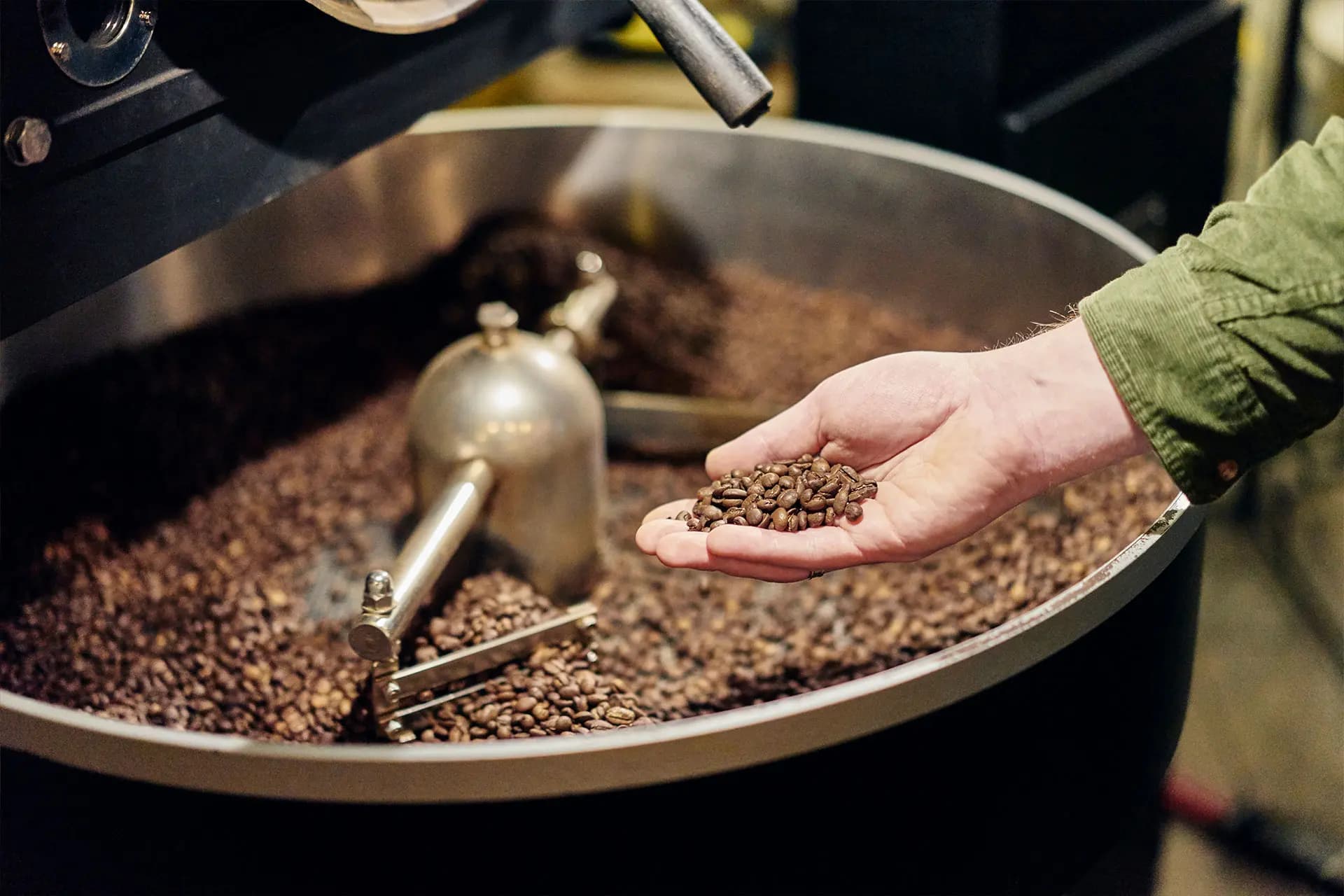
Roasting is not the end of the road. After leaving the roaster, coffee keeps changing: it releases gases and its aromas evolve over days.
That is why the same bag can taste different at two moments, without anything having gone wrong.
What happens after roasting
The roasted bean holds gases and lets them go little by little. That degassing affects how the coffee behaves when you brew it, especially in espresso, where pressure and time are short and everything shows more.
How it shows in the cup
A very fresh coffee can be unstable: extraction is harder to control. One with a few days on it usually feels more settled. And over time, the aromas that made that coffee distinctive lose intensity.
The way to notice these differences is not to change the recipe each time, but to keep it fixed. If you always brew the same, whatever changes comes from the coffee, not from you.
We work three profiles
At Café Nueva Generación we work light, medium and dark profiles. For espresso we specifically recommend Sunrise, a medium roast, and Europeo, a dark roast: two intensity options for the same method.
Method and recommended recipe
| Method and coffee | Coffee | Water or drink | Grind and guide |
|---|---|---|---|
| Deleite in a V60 | 15 g | 250 ml | Medium-fine |
| Sunrise as espresso | 18 g | 36 g out | Fine · 25 to 30 seconds |
| Europeo as espresso | 18 g | 36 g out | Fine · 25 to 30 seconds |
| House Blend in a drip maker | 60 g | 1 L | Medium |
These recipes are starting points. Adjust them to your grinder, your equipment, your local water and your taste.
What to do with this in practice
Buy amounts that match how much you drink. A bag you finish in two weeks is enjoyed better than one that sits open for three months, however good it is.
New article, straight to your inbox
Growing, roasting and brewing, written by the people who do it on the farm. No offers, no noise.